

How to build a flexible wedding registry that suits every couple
How to Choose a Wedding Venue in Australia: 7 Things Couples Often Forget
Choosing your wedding venue is one of the biggest decisions you’ll make — and often one of the first. It sets the tone for your entire day. It influences your guest list, your styling, your budget, and even how your wedding feels from start to finish.
And yet, many couples focus only on how a venue looks……without thinking about how it actually works. If you want a wedding that feels effortless, relaxed, and genuinely enjoyable, here are seven things to consider before you lock anything in.
How to Choose a Wedding Venue in Australia Without Regret

1. Think About Guest Flow, Not Just Aesthetics
It’s easy to fall in love with a beautiful space. However, what really matters on the day is how people move through it.
Ask yourself:
-
Where do guests go after the ceremony?
-
Is there a natural flow between spaces?
-
Will people be standing around unsure of what’s next?
The best venues don’t just look good — they guide your guests seamlessly from one moment to the next.
2. Consider the Real Guest Experience
Once you’ve thought about flow, the next step is to shift your focus slightly outward.
Although it’s your day, your guests’ experience plays a significant role in how the overall atmosphere feels.
For instance, even small details can make a big difference. Consider:
-
whether there is enough seating during cocktail hour
-
whether guests have access to shade or shelter
-
how easy it is to find amenities like bathrooms
Individually, these details might seem minor. However, when combined, they shape how comfortable and relaxed your guests feel — and that, in turn, influences the energy of your entire wedding.
3. Understand What’s Actually Included
At this point, it’s also important to take a closer look at what your venue actually offers. While some venues appear affordable at first glance, the total cost can increase quickly once additional elements are factored in. Because of this, clarity is key.
Before making a decision, take the time to confirm:
-
what furniture is included
-
whether staffing is covered
-
what setup and pack-down involves
If you’re unsure how your venue compares, browsing platforms like Easy Weddings can help you understand what is standard across different locations. By doing this early, you can avoid unexpected costs later on.
4. Be Realistic About Your Guest List

As you continue planning, you’ll likely find that your venue and guest list are closely connected. In fact, one often shapes the other. Because of this, it’s important to think about both at the same time, rather than treating them as separate decisions.
For example:
-
A space that is too large may feel empty and lacking energy
-
A space that is too small may feel crowded and uncomfortable
Ideally, your venue should feel balanced — full enough to feel lively, but not so full that it feels overwhelming. This is also a good moment to reflect on what kind of experience you want to create, as that will naturally guide your numbers.
5. Think About Timing and Transitions
As your plans begin to take shape, it becomes clear that timing is just as important as location. Even the most beautiful venue cannot compensate for a schedule that feels disjointed.
With that in mind, consider:
-
how long guests will be waiting between key moments
-
whether transitions feel smooth or rushed
-
how easily vendors can move between spaces
If you’re unsure what works in practice, looking at real wedding examples on sites like Junebug Weddings can help you visualise how a well-paced day comes together. Ultimately, the goal is to create a rhythm that feels natural and enjoyable.
6. Check Accessibility and Location
Beyond the venue itself, it’s also worth considering how easy it is for guests to attend. While a location might feel perfect in theory, it’s important to think about the practical side as well.
For instance:
-
Is the venue easy to find?
-
Is there nearby accommodation?
-
Are transport options available at the end of the night?
When guests can move easily and comfortably, it allows them to relax and fully enjoy the experience — which, in turn, enhances the overall atmosphere of your wedding.
7. Make Sure It Aligns With Your Priorities
Finally, after working through all the practical considerations, it’s important to return to what matters most. At the end of the day, your venue should reflect your priorities as a couple.
For some, that might mean:
-
a relaxed outdoor setting
-
a small, intimate gathering
-
a larger celebration with a vibrant atmosphere
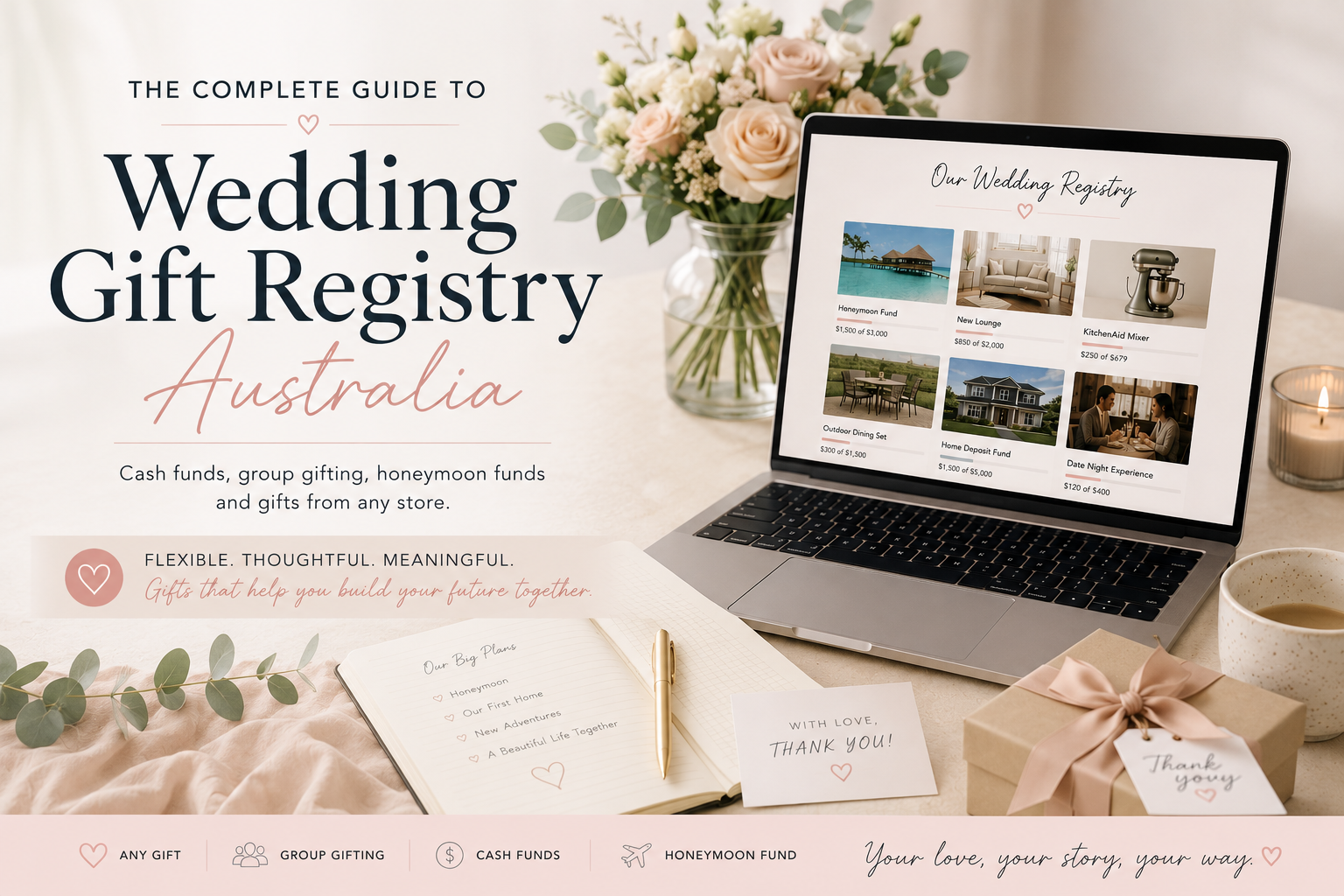
For others, it might be about creating a day that feels simple, meaningful, and easy. As you make your decision, it can also help to think about how the rest of your wedding experience fits together. For example, many couples are now exploring a modern wedding registry in Australia that aligns with their lifestyle and future plans.
By keeping the bigger picture in mind, you can make choices that feel cohesive and intentional.
A Final Thought

While it’s easy to get caught up in the details, choosing a wedding venue is ultimately about more than appearances. It’s about selecting a space that supports the kind of day you want to have. When everything works together — from flow and timing to comfort and atmosphere — the entire experience becomes more enjoyable for everyone involved. And, perhaps most importantly, it allows you to be fully present. Because in the end, the weddings people remember most aren’t the ones that looked the most perfect… They’re the ones that felt the most effortless 💛
Leave a reply cancel reply
Related Posts
Wedding Planning Timeline Australia: What to Do and When
Planning a wedding in Australia? Follow this simple wedding planning timeline to stay organised,
How to Create a Modern Aussie Wedding Registry (Without Overthinking It)
Create a modern Aussie wedding registry with Sent with Love: easy setup, flexible gifts,
Already have everything? What to put on your wedding registry in Australia
For couples with everything, modern Australian wedding registries focus on experience gifts, cash funds